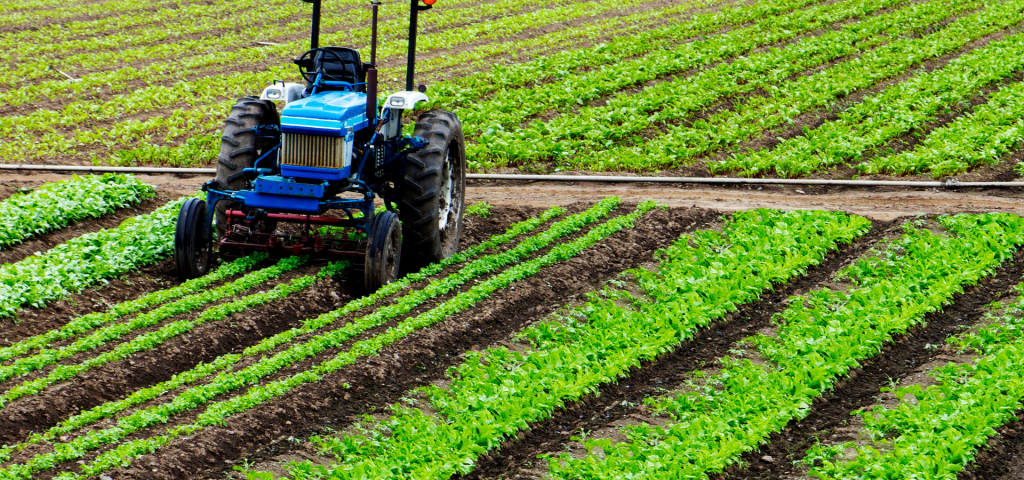
Agriculture is the backbone of Africa’s economy, employing over 60% of the population and contributing significantly to GDP in many countries. Beyond its economic impact, agriculture is central to food security, nutrition, and sustainable development. Yet, despite abundant arable land and natural resources, the continent still faces recurring food insecurity, with millions vulnerable to hunger and malnutrition. Addressing this paradox requires a holistic approach that integrates modern technology, innovative farming practices, and strategic investments in food systems.
Africa’s Agricultural Potential
Africa possesses nearly 60% of the world’s uncultivated arable land, offering immense opportunities for agricultural expansion. With fertile soils, diverse climates, and favorable growing conditions, the continent could not only feed itself but also become a global food supplier. However, realizing this potential requires overcoming systemic challenges such as limited infrastructure, underdeveloped value chains, and inadequate access to finance and markets. Unlocking Africa’s agricultural wealth is key to building resilience against hunger.
Food Security Challenges
Despite its potential, Africa remains the most food-insecure region in the world. Climate change, political instability, poor storage systems, and post-harvest losses contribute to chronic hunger. Rapid population growth, projected to double by 2050, further intensifies the demand for food production. Unless immediate interventions are made, food imports will continue to rise, increasing dependency on external markets and straining local economies.
Climate Change and Sustainability Pressures
Climate change poses a direct threat to Africa’s agriculture, with unpredictable rainfall, desertification, and extreme weather events reducing crop yields. Rising temperatures also impact livestock health and water availability. To ensure long-term food security, Africa must embrace climate-smart agriculture, conservation practices, and renewable energy-powered irrigation systems. Sustainability is no longer optional—it is the only way forward.
Technology and Innovation in Agriculture
The digital revolution is reshaping African agriculture. Mobile apps, precision farming tools, drone monitoring, and satellite-based weather forecasting are helping farmers optimize productivity. Startups across the continent are introducing innovations in digital marketplaces, connecting farmers directly with buyers, and providing access to real-time data. By adopting modern technologies, smallholder farmers—who make up 80% of Africa’s producers—can scale operations and improve yields significantly.
Investment and Infrastructure Development
Food security cannot be achieved without robust infrastructure. Investments in rural roads, storage facilities, irrigation systems, and cold chains are essential to reduce post-harvest losses and expand market access. Public-private partnerships (PPPs) offer a pathway to mobilize capital and expertise, bridging the infrastructure gap. Moreover, international financial institutions and local governments must create policies that encourage sustainable agribusiness growth.
Empowering Farmers and Rural Communities
Smallholder farmers remain at the center of Africa’s agricultural system. Empowering them with training, access to affordable credit, and cooperatives can transform rural economies. Women, who constitute a large proportion of agricultural labor, must be given equal access to resources and land ownership rights. Strengthening rural communities ensures not only food availability but also equitable socio-economic growth across the continent.
The Role of Agribusiness and Value Chains
Beyond farming, Africa must focus on developing strong agribusiness value chains. From food processing to packaging and distribution, agribusiness can significantly reduce food imports while creating jobs. Local value addition also boosts food security by making affordable and nutritious products accessible to urban populations. Building resilient value chains ensures that agriculture is not just about survival but about prosperity.
Policy and Governance for Food Security
Strong policies and good governance play a vital role in addressing food security. Governments must adopt clear agricultural roadmaps, ensure transparent land policies, and invest in food reserves. Cross-border trade policies within frameworks like the African Continental Free Trade Area (AfCFTA) can enhance regional food security by promoting intra-African trade. Policies that align with international development goals will accelerate progress toward ending hunger.
Partnerships and Global Cooperation
Africa’s food security challenge is not one country’s burden—it requires collective action. Partnerships between governments, NGOs, private investors, and international organizations such as FAO, WFP, and IFAD are critical. Global cooperation in research, technology transfer, and sustainable funding ensures Africa benefits from the best practices worldwide. Collaboration accelerates progress and strengthens food resilience across the continent.
Youth Engagement and the Future of Farming
Africa’s youth population presents a unique opportunity for transforming agriculture. By positioning farming as a profitable and innovative career, the continent can attract young entrepreneurs into agribusiness. Training programs, access to digital tools, and incubation hubs are already driving youth-led startups in agriculture. Engaging the next generation ensures that agriculture remains sustainable, modern, and competitive in global markets.
Conclusion: A Call to Action
Agriculture and food security in Africa remain both a challenge and an opportunity. With abundant natural resources, a youthful population, and growing technological innovations, Africa can chart a path toward food self-sufficiency and prosperity. However, achieving this requires coordinated strategies that balance sustainability, innovation, and inclusivity. The future of Africa’s food security depends on decisions made today—and the continent cannot afford to wait.